
A buyer may approve an attractive sample and still find differences in glass colour, print placement or component fit in the production batch. Experienced buyers need to know when a supplier inspects, which criteria guide the decision, and how findings lead to corrective action.
In Boclear perfume bottle projects, inspection covers three main stages: glass production and checks before dispatch from the glass factory, post-printing inspection, and final component matching. Accessories and packaging also undergo their own quality checks after production. Repeated checks at these stages allow each type of issue to be addressed in the relevant operation.
This article focuses on production-process inspection. Applicable market-access, compliance and other mandatory testing must be addressed separately according to the product and destination market.
What is checked at each stage?
- Glass production and before factory dispatch: Main checks: Glass colour, seams, surface marks, bubbles, striations or ribs, scratches, weight and critical dimensions; Response to findings: Repeated sampling at intervals; remove nonconforming bottles and feed recurring issues back to production
- After printing: Main checks: Artwork position, missing colour and other printing defects; Response to findings: Inspect every bottle, combining image-recognition inspection with manual rechecking; remove nonconforming items
- Final component matching: Main checks: Assembly, opening and closing, spray performance, sealing and packaging fit; Response to findings: Sample assembly and testing with the corresponding components
Each stage has a different purpose. A bottle that passes glass inspection still needs its printing checked. Bottles and components that pass their individual inspections also need to be assessed together.
Stage one: appearance, weight and dimensions during glass production
Sampling at intervals feeds findings back to production
Glass bottles undergo repeated sampling during production and before factory dispatch. Under normal conditions, the sampling proportion is approximately 20%. Checks at different times help track changes in production output.
If problems increase during a particular period, findings are passed back to production for investigation. Machine temperature and other process parameters can then be adjusted as appropriate. Rejected glass bottles are removed and returned for remelting under the production process, allowing the material to be reused and reducing material waste.
Recycling does not change the acceptance decision. A nonconforming bottle does not proceed to printing or component matching simply because its material can be recovered.
Appearance needs an agreed acceptable range
Visual inspection covers glass colour, seams, surface marks, visible bubbles, striations or ribs, and scratches. Requirements can vary with bottle shape, surface treatment and brand design, so the acceptable appearance range should be agreed before production.
For example, “no obvious scratches” leaves questions unanswered. Which area is checked? Under what lighting and viewing angle? Which approved sample is used for comparison? Buyers and suppliers should clarify these conditions for important appearance requirements.
Location and severity also matter. A mark on the front branding area, a local bubble near the base and damage at the neck need separate assessment. The apparent size of a defect in a photograph is not enough to determine its significance.
Measure weight and dimensions separately
Weight is checked repeatedly against the agreed project requirements to establish whether variation remains within the specified range. Calipers, micrometers and other measuring tools are used for critical dimensions, particularly mating areas such as the neck.
Buyers should define measurement locations and the corresponding specifications. Weight, appearance and neck dimensions answer different questions; passing one check does not replace the others. Dimensions that affect component fit should be assessed against approved drawings or specifications rather than visual judgement alone.
Two examples: a small bubble and a chipped neck
Example one: a small bubble near the base
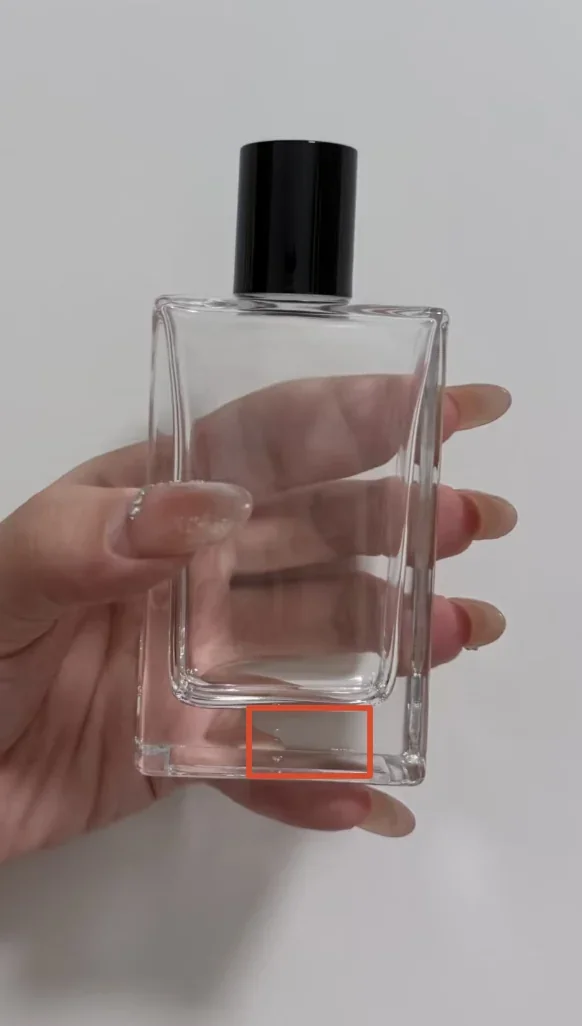
Figure 1: A small bubble near the base. The red box identifies the area to examine.
This photograph illustrates a type of appearance issue that often needs discussion during sourcing. Inspection should establish the bubble's size, number and location, and whether it falls within the project's agreed appearance limits.
A photograph helps both parties locate an issue, but a single image should not become a universal pass-or-fail standard for every order. Where an appearance difference is open to interpretation, jointly approved physical examples and photographs can help define the acceptance boundary.
Example two: a chipped bottle neck
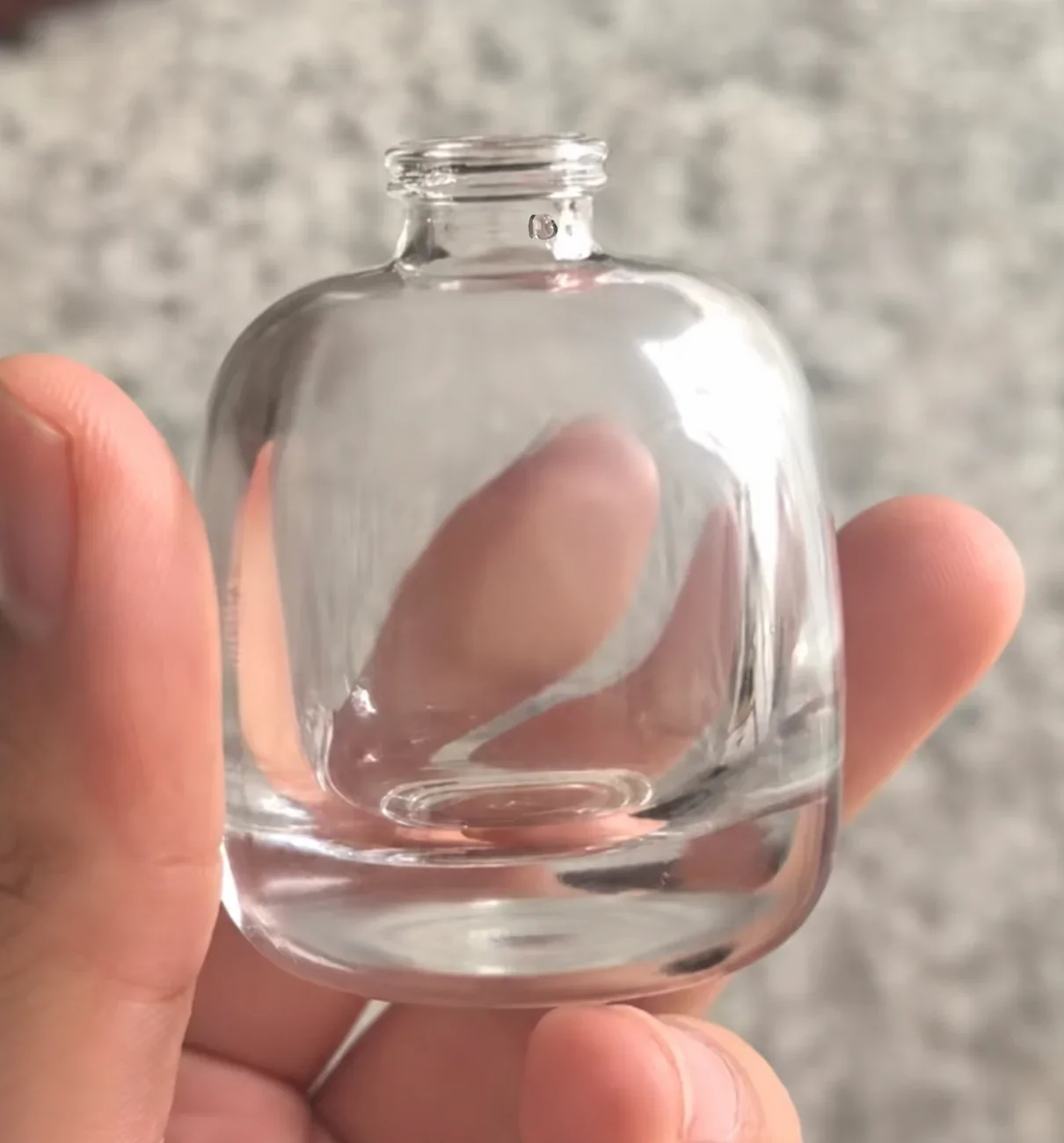
Figure 2: A neck-defect example. Inspection requires a close view of the neck and reference to the relevant mating requirements.
The neck is an area requiring particular attention. A bottle with a chip should be removed, followed by checks for similar problems in the same batch. It should not be treated as an ordinary surface mark.
Inspection needs to establish the exact location of the damage and its relationship to component contact, assembly, sealing and safe use. An overall view of the bottle is therefore insufficient: critical areas need their own checks and, where necessary, close-up records.
Stage two: inspect every printed bottle with image recognition and manual rechecking
Printing introduces a new set of inspection requirements after the glass bottle has been checked. An acceptable bottle does not automatically mean its logo or artwork is acceptable.
After printing, every bottle is inspected. Image-recognition inspection checks for issues such as artwork misalignment and missing colour, with manual rechecking used alongside it. Bottles that fail the printing requirements are removed.
The inspection basis should be confirmed before production:
- Artwork version: the approved logo, text and decoration files.
- Position reference: the bottle feature or datum used to locate the artwork.
- Colour and appearance reference: the approved document or physical sample used for comparison.
- Permitted variation: which differences are acceptable and which require rejection or further review.
For example, “centre the logo” can be made actionable by specifying the bottle reference used to check artwork position and angle, together with agreed tolerances. This makes both inspection and later review more consistent.
Image-recognition inspection and manual rechecking should follow the same acceptance criteria. Borderline cases should be compared with approved documents and samples rather than decided by individual impressions.
Stage three: sample assembly checks the complete packaging combination
At the final component-matching stage, samples are assembled with their corresponding components and checked for assembly, opening and closing, spray performance, sealing and packaging fit. The objects and requirements of each check should match the actual bottle, pump, cap and packaging combination used in the project.
- Assembly: Question to confirm: Can the corresponding components be assembled as intended, without abnormal behaviour?
- Opening and closing: Question to confirm: Do caps and other relevant components open and close according to the approved requirements?
- Spray performance: Question to confirm: Does the assembled pump work normally and meet the project requirements?
- Sealing: Question to confirm: Does the combination meet sealing requirements under the agreed inspection conditions?
- Packaging fit: Question to confirm: Do the bottle and components fit the insert and outer box, and can they be inserted and removed normally?
Buyers should interpret results in relation to the actual inspection conditions. Different component combinations and intended uses require corresponding methods and acceptance criteria. A result from one assembly check should not be extended into an unverified claim about other performance characteristics.
Accessories and packaging undergo their own quality checks after production. Final matching checks then assess whether these individually checked items work together as required.
Turning customer requirements into inspection criteria
Experienced buyers often have their own acceptance specifications or a history of issues from earlier orders. Bringing that information into the project early helps focus inspection on the relevant risks.
Before production, both parties should confirm:
- Document and sample versions: drawings, printing files, approved samples and additional requirements should refer to the same project version.
- Priority areas and issues: identify branding areas, neck mating areas and recurring problems from previous batches.
- Acceptance boundaries: use descriptions, measurements or approved comparisons instead of “close enough”.
- Recording and handling: record the production period or batch, issue location, photographs and disposition for review and traceability.
Where customers have additional inspection requirements, Boclear can cooperate with customer inspections and third-party testing. Scope, methods, acceptance criteria and arrangements should be agreed before production and inspection.
Prepare the inspection basis for your next order
After sample approval, document the acceptable appearance range, critical dimensions, printing references and component-matching requirements together. This helps reduce differences in interpretation between production and inspection. Retained examples, photographs and handling records from previous issues also provide a clearer reference for repeat orders.
When discussing a custom perfume bottle project with Boclear, share your acceptance specifications, approved samples or defect photographs from earlier batches. These materials help identify what needs attention at each of the three production stages.